How to Start a Small Herb Garden Indoors: A Beginner’s Guide
Growing your own herbs indoors is a rewarding way to add fresh flavors to your meals and brighten up your living space. Even if you don’t have a large yard or garden, a small indoor herb garden can thrive on a sunny windowsill or kitchen counter. This guide will walk you through the essentials of starting your own small herb garden indoors, from selecting the right herbs to caring for them daily.
Why Grow Herbs Indoors?
Indoor herb gardening is accessible for many reasons:
– Convenience: Fresh herbs are always within reach when cooking.
– Space-saving: Ideal for apartments or homes without outdoor gardens.
– Air quality: Some herbs can improve indoor air by reducing toxins.
– Year-round growth: Controlled conditions let you grow herbs regardless of season.
With just a few pots and the right care, your indoor herb garden can flourish.
Choosing the Best Herbs for Indoor Growing
Not all herbs thrive indoors, so selecting varieties suited to indoor conditions is key. Some beginner-friendly and popular indoor herbs include:
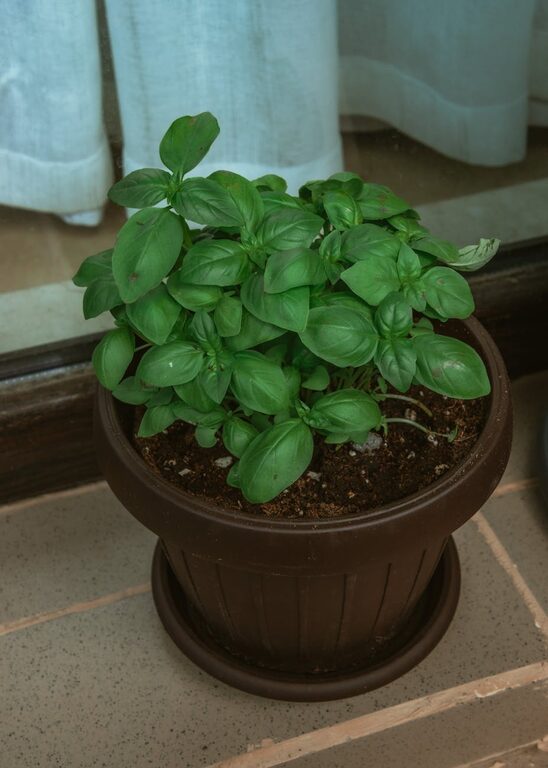
– Basil: Likes plenty of sunlight and warmth.
– Parsley: Tolerates less light and grows well in cooler spots.
– Mint: Hardy and quick-growing but can spread fast in pots.
– Chives: Compact and easy to snip fresh leaves from.
– Thyme: Prefers bright light and dry soil between waterings.
– Oregano: Thrives with good light and well-drained soil.
– Cilantro: Likes cooler temps and frequent watering.
Start with two or three herbs you use most to keep your first garden manageable.
Selecting Containers and Soil
Containers
When choosing pots, consider:
– Size: Ensure containers are at least 4-6 inches deep to support root growth.
– Drainage: Pots must have drainage holes to prevent waterlogging.
– Material: Terracotta pots are breathable and good for herbs but can dry out quickly. Plastic retains moisture longer.
You can also repurpose containers like teacups or jars as long as they provide drainage.
Soil
Use a high-quality potting mix designed for herbs or indoor plants. Avoid garden soil, which may be too dense and contain pests. A well-draining mix helps prevent root rot and promotes healthy growth.
Finding the Right Location
Most herbs need 6-8 hours of sunlight daily, ideally from a south- or west-facing window. Here are some tips:
– If natural light is limited, consider using grow lights with a balanced spectrum, set on timers for 12-16 hours a day.
– Rotate plants weekly to ensure even light exposure.
– Avoid placing herbs near heat vents or drafty windows.
Planting Your Herb Garden
Starting from Seeds vs. Starter Plants
– Seeds: More affordable and offer a wider variety but require patience and careful care.
– Starter plants: Convenient and give a quicker harvest but may cost more.
Follow seed packet instructions for planting depth and spacing. For starter plants, gently loosen roots before transplanting to prevent root circling.
Planting Steps
- Fill your pot with potting mix, leaving about an inch from the top.
- Plant seeds or seedlings at the recommended depth.
- Water gently until soil is moist but not soaked.
- Place pots in your chosen light location.
Caring for Your Indoor Herb Garden
Watering
– Most herbs prefer soil that dries slightly between watering.
– Check soil moisture by touching the top inch.
– Overwatering can cause root rot, while underwatering will wilt leaves.
– Use room temperature water to avoid shocking roots.
Feeding
– Feed herbs every 4-6 weeks with a balanced liquid fertilizer diluted to half strength.
– Avoid over-fertilizing, which can reduce flavor intensity.
Pruning and Harvesting
– Regular trimming encourages bushy, healthy growth.
– Harvest by pinching off leaves or stems, ideally in the morning when oils are concentrated.
– Avoid removing more than one-third of a plant at once.
Pests and Problems
– Inspect plants weekly for pests like aphids or spider mites.
– Use natural remedies such as insecticidal soap if needed.
– Ensure good air circulation to prevent fungal diseases.
Tips for Success
– Label your herbs to keep track of varieties.
– Group herbs with similar light and water needs.
– Clean leaves occasionally to remove dust and improve photosynthesis.
– Consider using saucers under pots to catch excess water and protect surfaces.
Enjoying Your Indoor Herb Garden
An indoor herb garden not only enhances your meals but also adds life to your home. Try using fresh herbs in salads, teas, sauces, or garnishes. As you gain confidence, you might explore growing more exotic or culinary herbs.
Starting small and giving your herbs consistent care will reward you with a thriving garden that delights both your taste buds and your living space.
Happy gardening!